Zoom
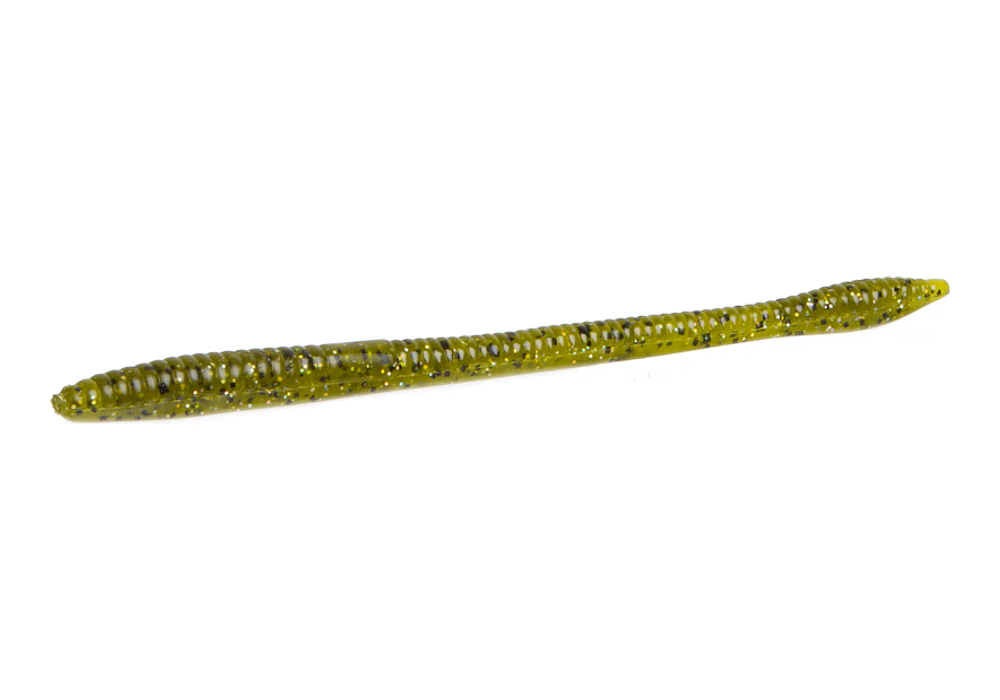
Zoom Trick Worm
Choose a rig that lets a simple worm glide, fall or work the bottom.
- Updated
- Reviewed September 2026
Quick facts
Best for
Clear water
Rigs and retrieves
Shaky head
Key idea
Versatility means choosing the rig that holds the profile where the fish are, not using every rig.
How it works
The long, restrained profile responds to tiny rod movements and the fall itself. A shaky head raises part of the body; weightless, it snakes and slowly sinks. Decide depth and cover first because the rig supplies the main action.
When to use it
Useful on pressured banks, rock, scattered wood and when fish need time to inspect. The same profile can work from the bottom to mid-water. In very dirty water or around fast-moving fish, stronger contrast, weight or a reaction bait may be more effective.
How to present it
Keep a shaky head close to the bottom and shake without constantly dragging. Weightless, use gentle pulls and pauses; with light Texas, read changes in texture. Use enough weight to keep contact and keep the hook centred. Texas protects the point; drop shot holds the worm above the substrate.
Common mistakes
Avoid shaking without pauses, excessive weight on clean bottom, confusing grass with a bite and a hook poorly suited to the rig. If the weight buries in mud or collects grass, change the path or presentation rather than repeatedly dragging through it.