10 lures for murky water
Vibration, contrast and water displacement when visibility drops.
- Source
- Editorial selection
- Updated
- Updated on September 20, 2026
- Market
- Black bass · Spain
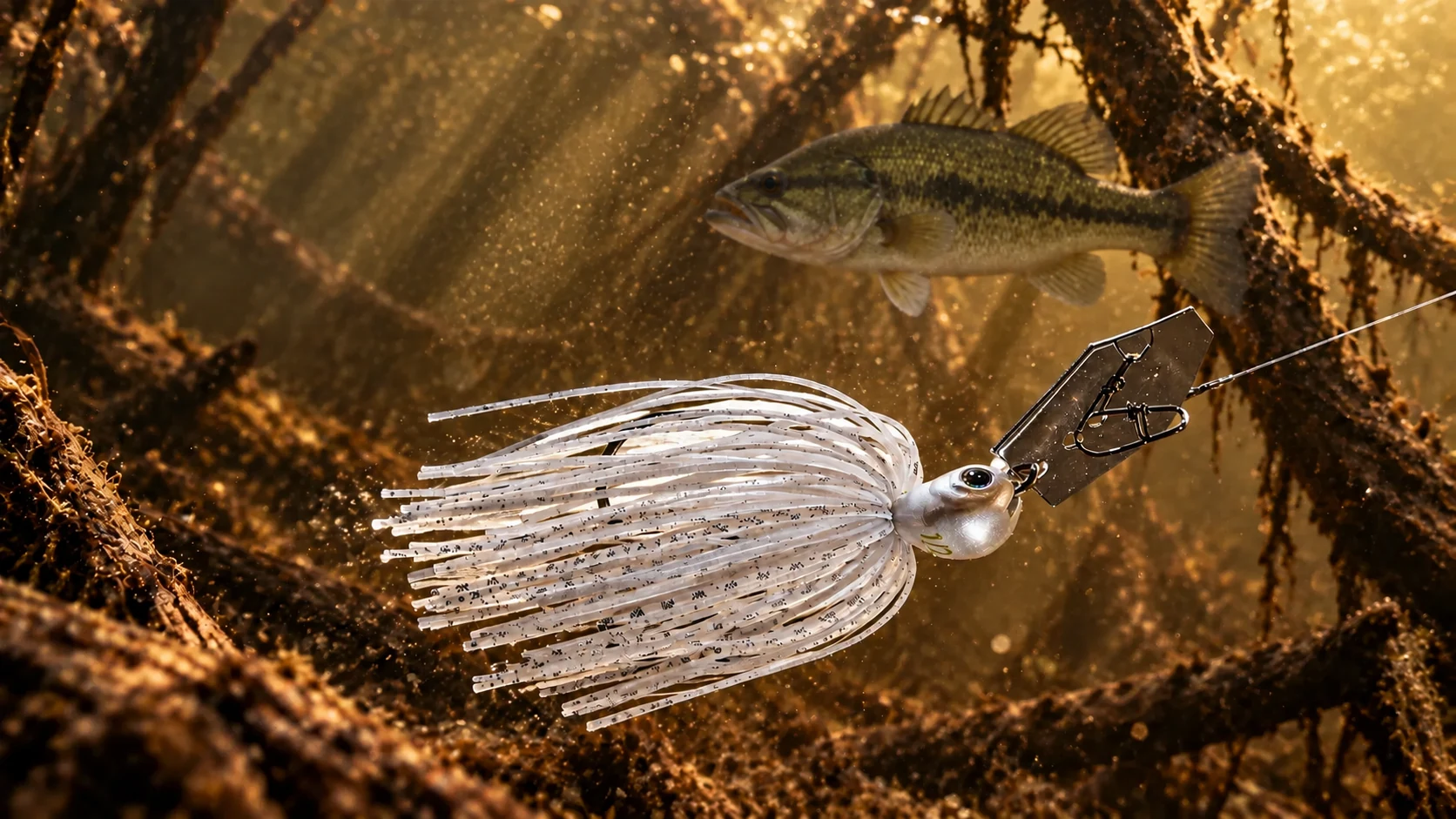
Editorial selection
- 1
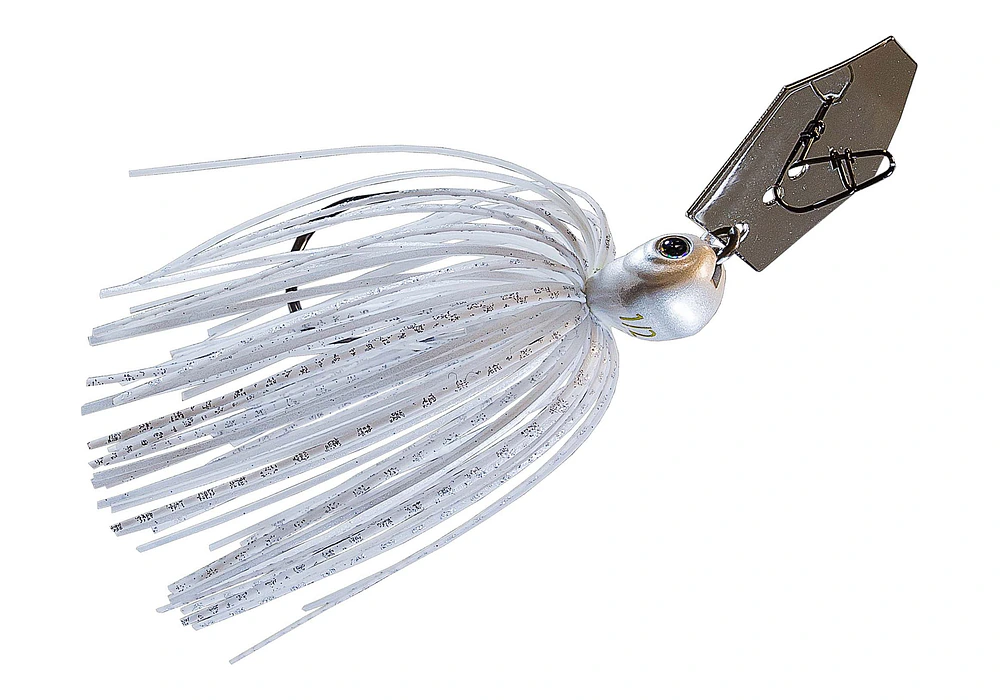
Z-Man
ChatterBait JackHammer
Why it's here: Its blade creates pronounced vibration and an easy-to-track silhouette around cover.
- Strong vibration
- Moderate cover
- 2
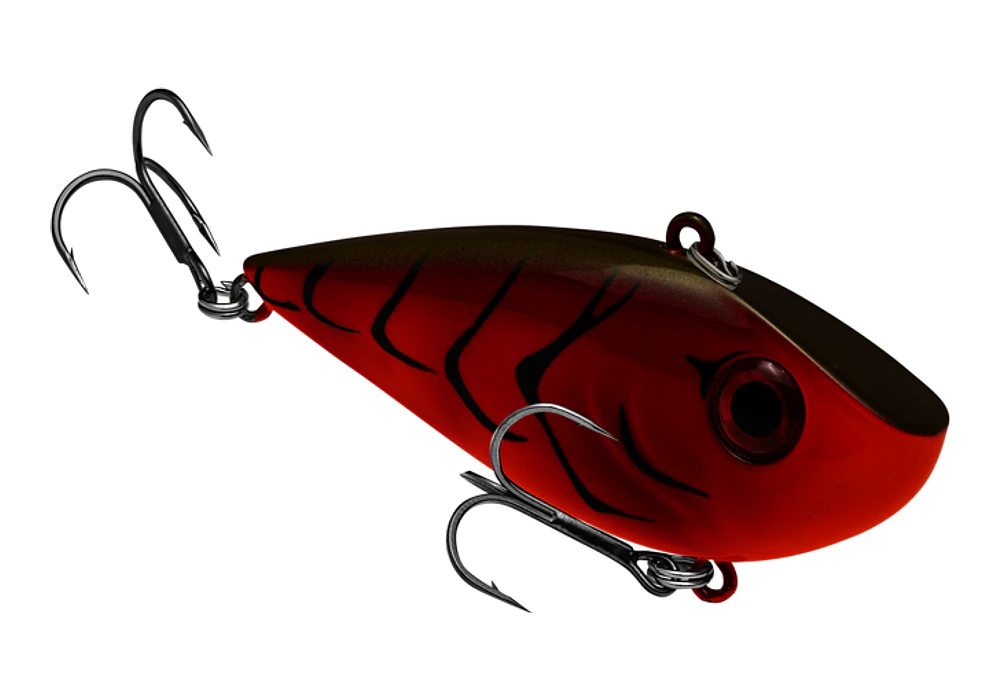
Strike King
Red Eyed Shad 1/2 oz
Why it's here: Its compact profile, rattle and fall cover water and change depth quickly.
- Loud rattle
- Open water
- 3
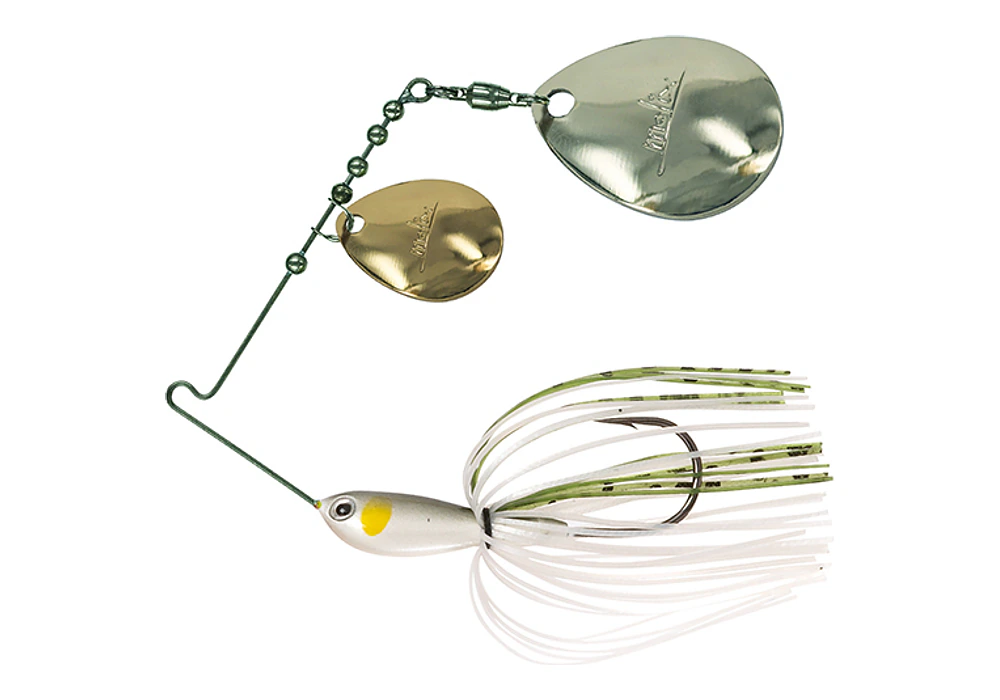
Molix
Waterslash Double Colorado
Why it's here: Colorado blades produce slow, defined pulses beside wood or vegetation when the bass relies less on sight.
- Low-pitched pulse
- Shallow cover
- 4
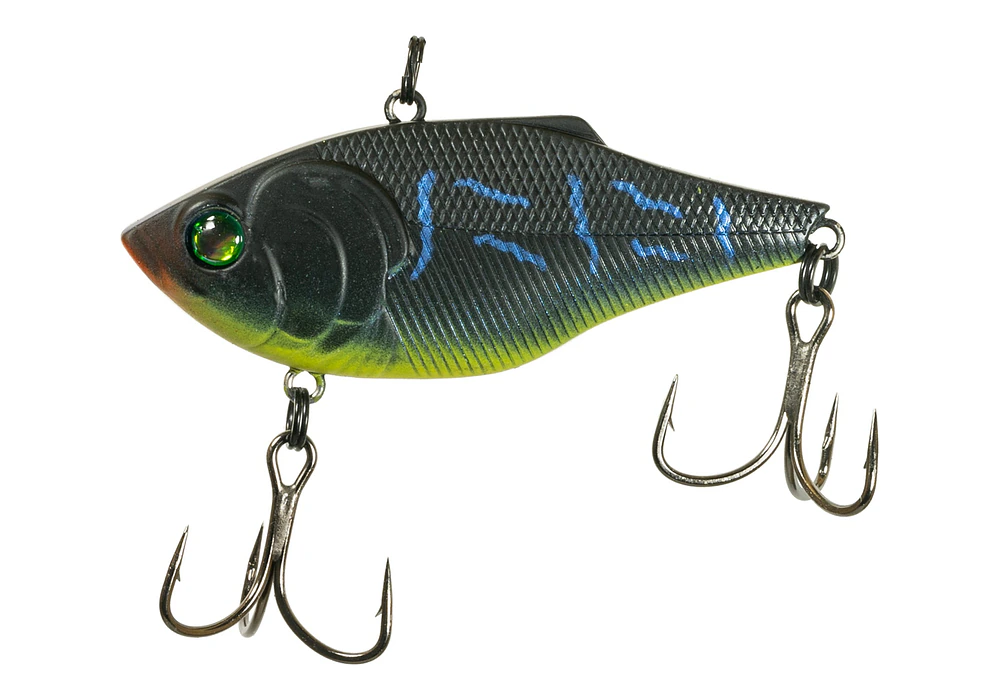
6th Sense
Quake THUD
Why it's here: Its low-pitched signal and lipless body stand out as water loses clarity.
- Low-pitched sound
- Adjustable depth
- 5
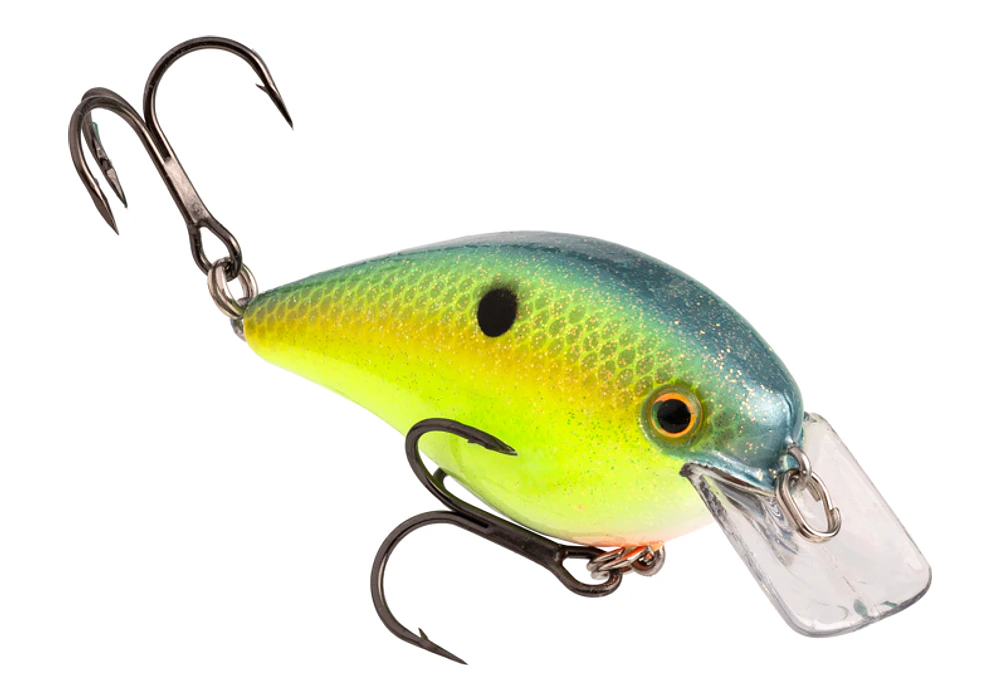
Strike King
KVD Squarebill 1.5 Hard Knock
Why it's here: The square bill helps it deflect off obstacles while its internal knock adds presence.
- Deflection
- Shallow cover
- 6
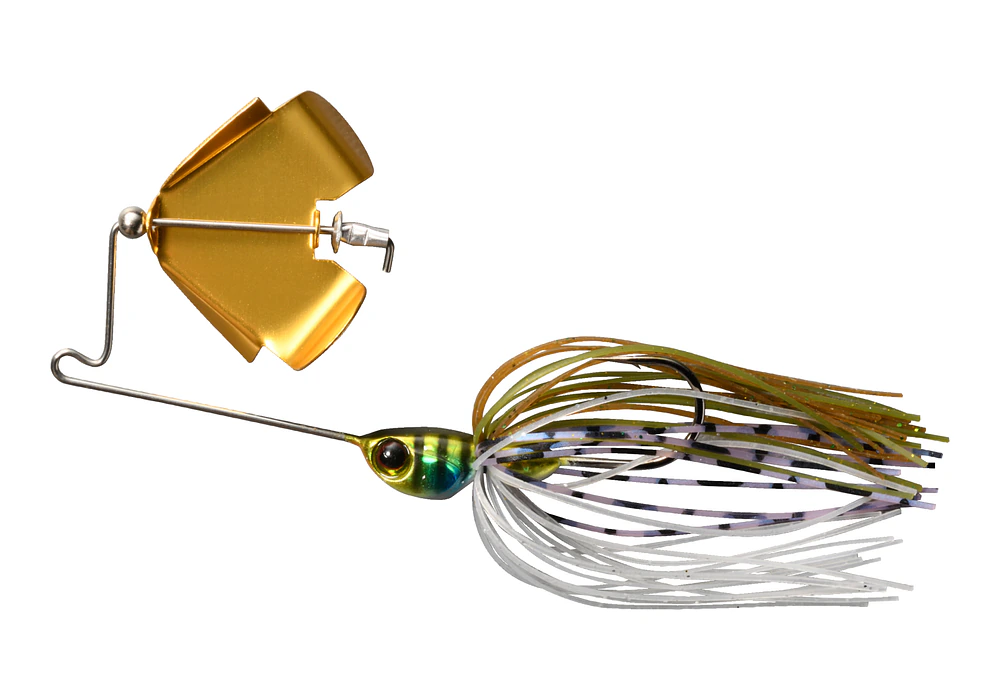
Jackall
DERABUZZ
Why it's here: It maintains a continuous surface signal and quickly covers shallow banks when fish are willing to rise but need to locate the target.
- Continuous sound
- Surface
- 7
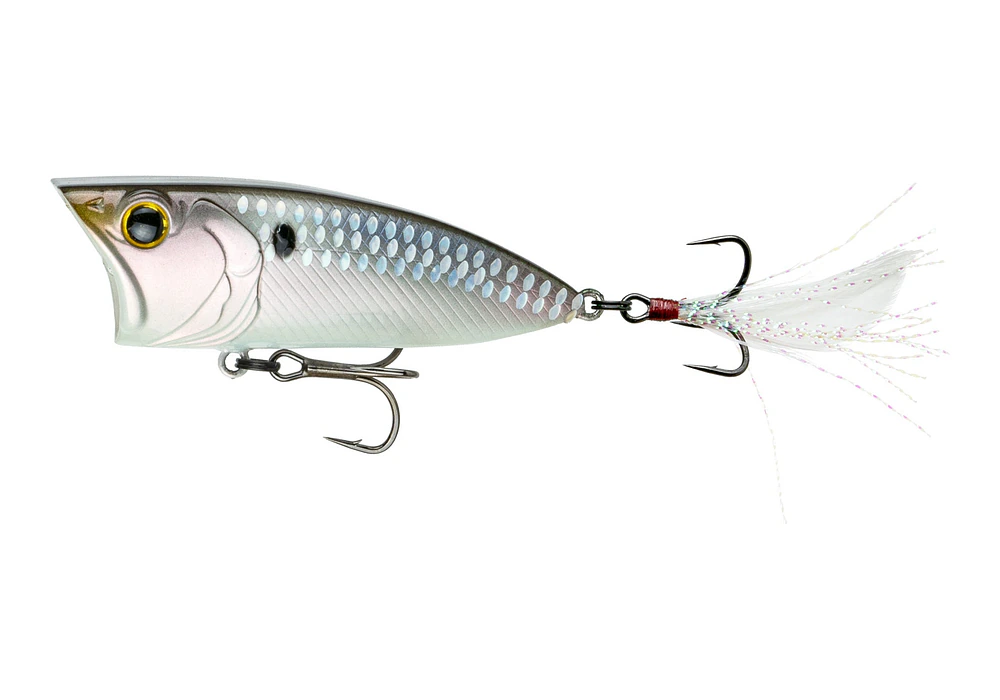
6th Sense
SplashBack Popper
Why it's here: The popper concentrates sound and splashes to work specific gaps with pauses.
- Targeted sound
- Sparse cover
- 8
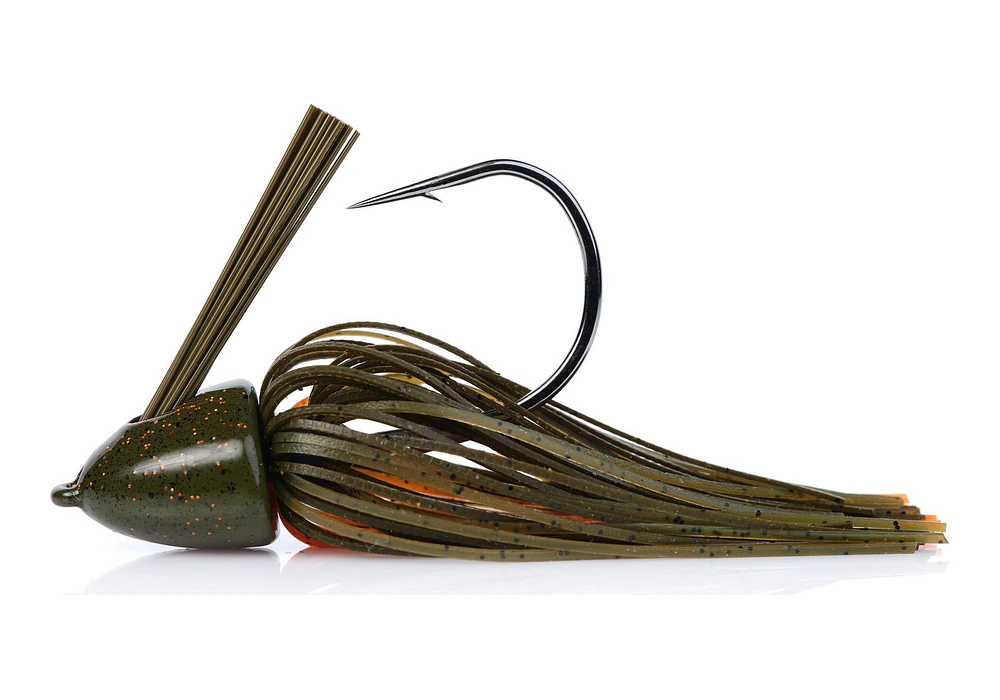
Berkley
Heavy Cover Jig
Why it's here: Its skirt adds bulk and the rig can enter cover where other lures snag more easily.
- Bulky profile
- Dense cover
- 9
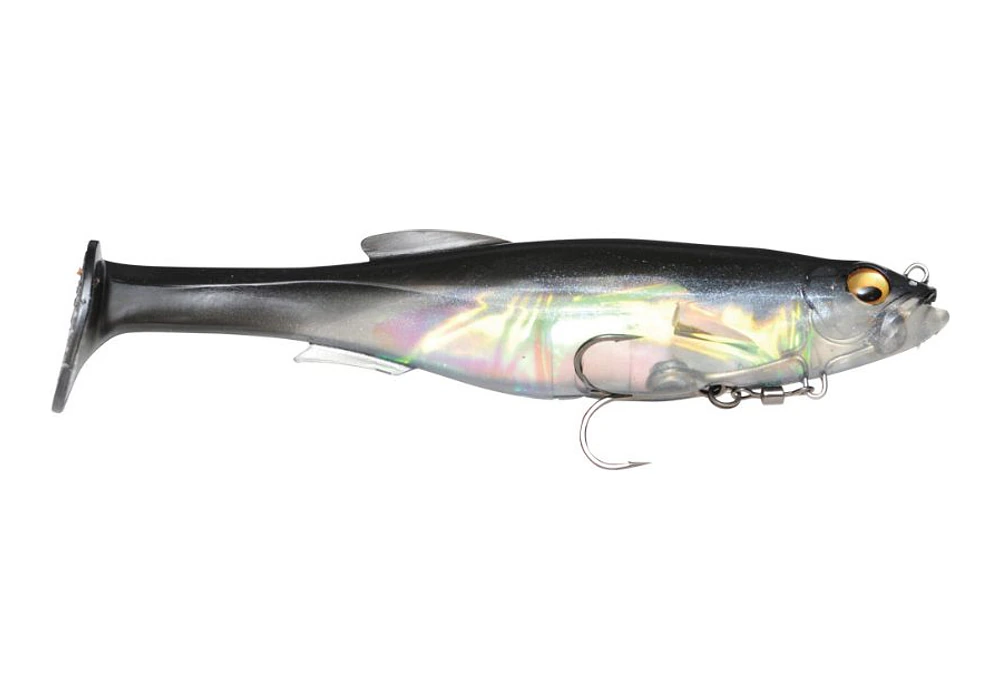
Megabass
Magdraft 6
Why it's here: Its large body and paddle tail move water without rattles: a midwater alternative when a defined prey silhouette matters more than noise.
- Tail thump
- Midwater
- 10
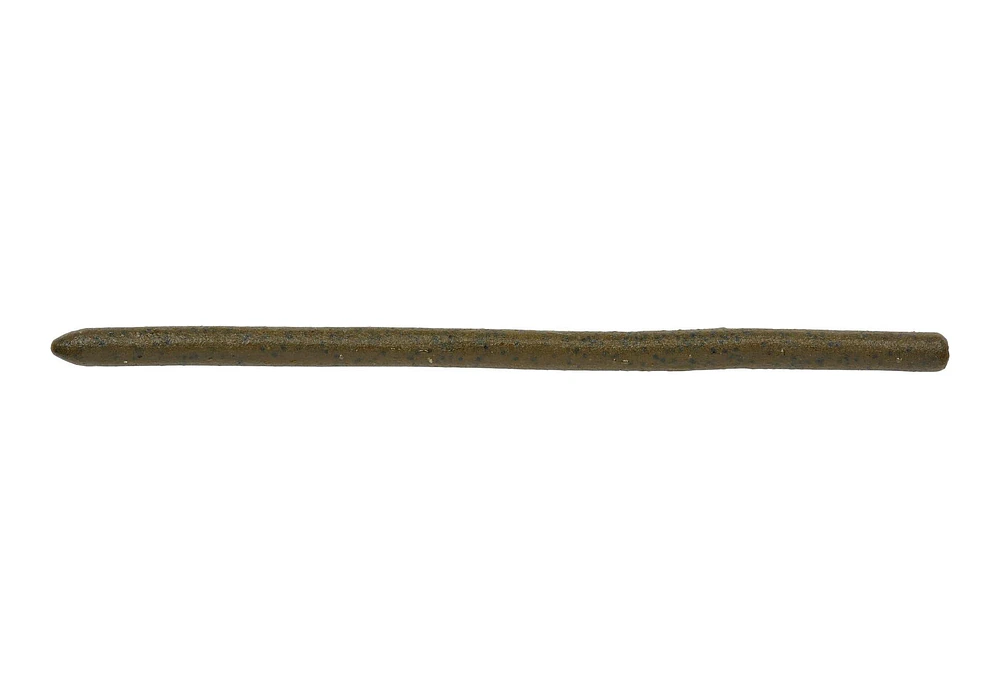
Berkley
PowerBait MaxScent Power Wag
Why it's here: Its active tail moves at low speed, allowing a dark Texas rig to linger on the bottom after faster lures draw follows but no strikes.
- Slow pace
- Bottom and cover
Before you cast
Start near cover
Give the fish a clear point from which to intercept the presentation.
Adjust the speed
Find a pace that keeps a clear signal without losing control.
Increase contrast
Match color, silhouette and vibration to the water's actual visibility.